Why China’s Anti-Corruption Campaign Under Xi Jinping Continues After More Than a Decade
by admin on | 2026-03-14 11:10:48
Share: Facebook | Twitter | Whatsapp | Linkedin Visits: 8
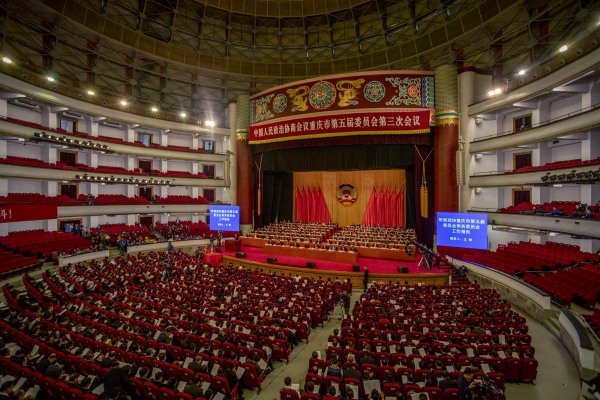
China’s long-running anti-corruption campaign, launched by President Xi Jinping shortly after he took power in 2012, remains one of the most defining policies of his leadership. More than ten years later, the campaign continues to remove officials from government positions across the country.
The ongoing crackdown was once again highlighted during the recent National People’s Congress meeting in Beijing, where several seats were left empty after numerous officials were dismissed or disciplined as part of the anti-graft drive.
A Campaign That Never Slowed Down
When Xi Jinping first became leader of the Chinese Communist Party, corruption was widely seen as a serious issue within government institutions.
China’s political system includes millions of officials and over 100 million party members. Experts say that such a vast structure makes it difficult to control corruption, especially when powerful officials have significant authority and relatively limited external oversight.
Xi’s response was a sweeping campaign targeting both senior political figures and lower-level government workers. The effort became known as the fight against “tigers and flies,” referring to both high-ranking officials and ordinary bureaucrats.
Since then, millions of people have faced disciplinary action, ranging from official warnings to prison sentences.
High-Profile Arrests and Investigations
Several prominent political figures have been caught up in the campaign over the years. Early in the crackdown, a major corruption scandal led to the downfall of Bo Xilai, a once-powerful politician who had been considered a possible rival to Xi.
Other high-ranking officials responsible for security and government administration were also arrested or sentenced, sending a clear message that no position in the political system was immune from investigation.
China’s top anti-corruption authority continues to announce new cases regularly. In 2025 alone, authorities reported that nearly one million individuals were disciplined under the campaign.
Corruption Still Difficult to Eliminate
Despite the scale of the crackdown, experts say corruption remains difficult to remove completely from the system.
Analysts argue that without strong institutional checks and independent oversight, corruption can re-emerge even after major purges. Some reports have suggested that bribery and favoritism have persisted in sectors such as military promotions and government contracts.
Because of these challenges, the government has continued its anti-corruption drive year after year.
Political Power and Party Discipline
Observers also note that the campaign has strengthened Xi’s control over the Communist Party.
By removing officials accused of corruption, the leadership has been able to reshape the political system and reinforce loyalty among party members.
Some analysts believe the campaign serves both as a genuine attempt to reduce corruption and as a political strategy to consolidate power and eliminate rivals within the party.
Protecting China’s Long-Term Goals
The leadership has placed special emphasis on industries that are considered vital to China’s future economic and technological ambitions.
Areas such as advanced technology, artificial intelligence, military development, and renewable energy have received significant government funding. As a result, corruption investigations in these sectors have increased in recent years.
Chinese authorities argue that maintaining strict discipline within the party is necessary to ensure that these strategic projects are carried out effectively.
A Campaign Tied to Xi’s Legacy
For President Xi Jinping, the anti-corruption campaign has become central to his political legacy.
Supporters say the effort has strengthened public confidence in government institutions by punishing officials who abuse power.
Critics, however, argue that the campaign also allows the leadership to silence dissent within the political system.
More than a decade after it began, the crackdown continues to shape China’s political landscape and remains one of the most significant initiatives of Xi’s leadership.