US Judge Blocks Justice Department Investigation Into Federal Reserve
by admin on | 2026-03-14 10:48:55
Share: Facebook | Twitter | Whatsapp | Linkedin Visits: 10
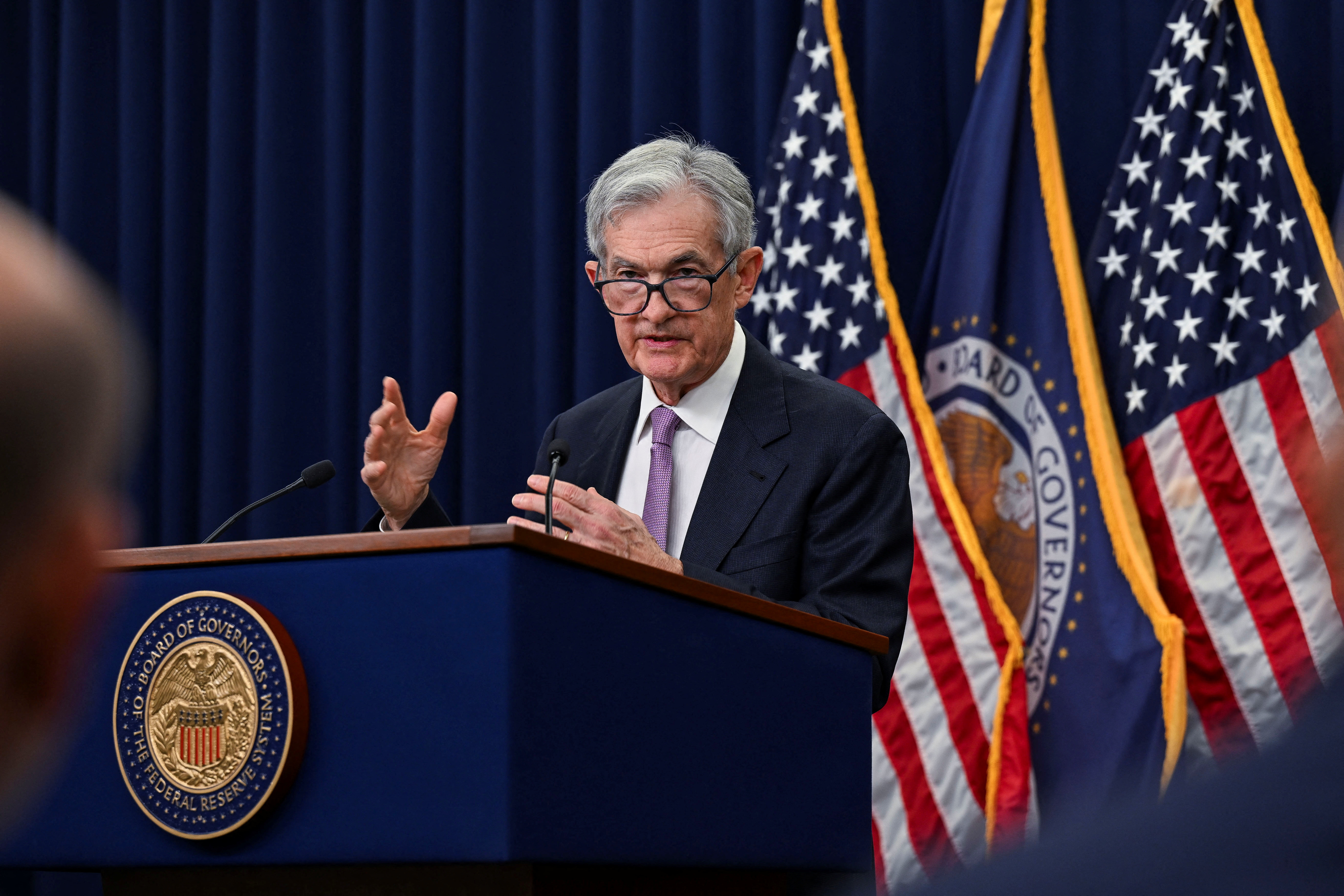
A federal judge in the United States has halted an attempt by the Department of Justice to investigate the Federal Reserve, ruling that prosecutors failed to provide sufficient evidence to justify the probe.
The decision represents a major legal victory for Federal Reserve Chair Jerome Powell, who had previously argued that the investigation was politically motivated and intended to pressure the central bank over interest rate policies.
Court Finds No Basis for the Investigation
In his ruling, Judge James Boasberg stated that prosecutors did not present credible evidence suggesting wrongdoing by Powell or the Federal Reserve.
The investigation had been initiated after federal prosecutors demanded documents related to renovation costs at the Federal Reserve’s headquarters. However, the judge concluded that the legal requests lacked a valid foundation and appeared to serve an improper purpose.
According to the ruling, the government provided almost no proof that Powell had committed any crime.
Concerns Over Political Pressure
The case has raised wider concerns about political influence over the Federal Reserve, which is designed to operate independently from the White House.
Judge Boasberg indicated that the investigation may have been intended to pressure Powell into lowering interest rates or to push him to resign before his term ends.
The judge pointed to statements made by political figures suggesting dissatisfaction with the Federal Reserve’s monetary policy.
Prosecutor Plans to Appeal
Jeanine Pirro, the prosecutor who initiated the investigation, strongly criticized the court’s decision and announced plans to challenge the ruling.
She argued that the judge’s decision undermines prosecutors’ ability to conduct investigations and said the ruling was legally flawed.
Pirro also dismissed suggestions that the case could affect the political debate surrounding leadership of the Federal Reserve.
Political Tensions Surround Fed Leadership
The controversy comes as political leaders debate who should lead the Federal Reserve once Powell’s term expires in May.
Former central banker Kevin Warsh has already been nominated as a potential successor.
Some lawmakers have warned that the legal battle could delay the confirmation process for a new Federal Reserve chair.
Debate Over Central Bank Independence
The case has sparked a broader debate about the independence of the Federal Reserve and whether political leaders should influence decisions related to interest rates and economic policy.
Supporters of Powell argue that the investigation represented an attempt to interfere with the central bank’s decision-making.
Critics of the ruling, however, say the Justice Department should be allowed to examine financial issues related to government institutions.
For now, the judge’s decision prevents the Justice Department from pursuing the subpoenas that were issued earlier in the investigation.