US Temporarily Allows Limited Russian Oil Purchases as Middle East Conflict Drives Energy Prices Higher
by admin on | 2026-03-13 12:27:50
Share: Facebook | Twitter | Whatsapp | Linkedin Visits: 8
The United States has issued a short-term exemption allowing countries to purchase certain Russian petroleum shipments that are already at sea. The temporary 30-day waiver aims to reduce pressure on global energy markets as oil prices surge due to the escalating conflict between Iran, Israel, and the United States.
Despite the policy move, oil prices remained elevated in international markets. Brent crude hovered around $101 per barrel, reflecting ongoing concerns that the conflict could significantly disrupt global oil supply.
Rising Tensions in the Middle East
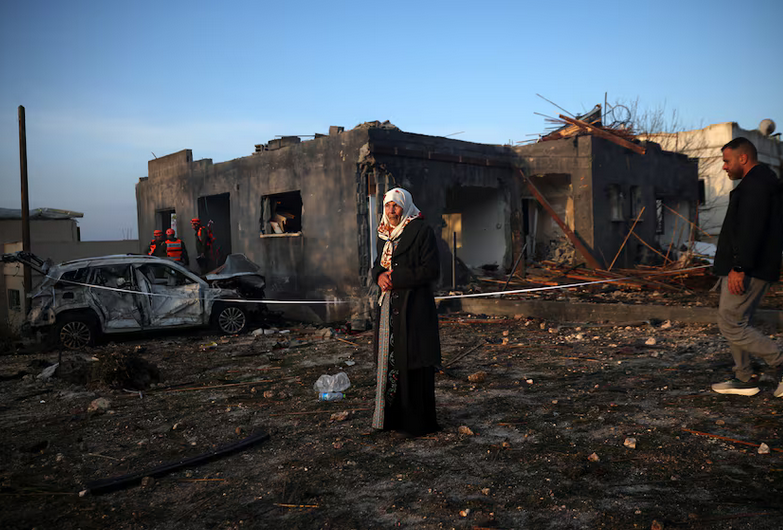
As the war entered its third week, tensions across the region intensified. Iran launched additional missile and drone strikes targeting Israel, while Israeli forces reported carrying out extensive air operations against multiple sites inside Iran. Military activity has also expanded beyond the two countries, with strikes reported in Lebanon involving the Iran-backed Hezbollah group.
Explosions and military aircraft were reported in several Iranian cities, including the capital Tehran and nearby Karaj, according to local media.
The broader regional conflict has already caused significant casualties and instability across the Middle East.
Oil Supply Concerns Push Prices Higher
Energy markets reacted sharply to the growing risk of supply disruptions. Oil prices jumped roughly 9% during the week, reaching close to $100 per barrel. Since the conflict began in late February, global oil prices have climbed by nearly 40%.
The potential threat to the Strait of Hormuz — a critical route responsible for transporting about 20% of the world’s oil supply — has been one of the key factors driving market volatility. Iranian attacks on vessels near the strait have raised fears of a prolonged disruption to energy exports.
To reduce pressure on global markets, the U.S. Treasury authorized a temporary license that allows the sale of Russian oil shipments that are currently in transit. Officials say the move is intended to stabilize supply during the crisis.
Global Energy Markets Under Strain
The International Energy Agency warned that the ongoing conflict could create one of the most severe disruptions to global oil supply in modern history.
Fuel prices have already begun rising in the United States. Data from the American Automobile Association showed average gasoline prices climbing to about $3.60 per gallon, while diesel prices reached their highest level since late 2022.
Higher energy prices have also affected global financial markets, with stock markets in several regions experiencing increased volatility.
Political Reactions and Strategic Messaging
U.S. President Donald Trump stated that rising oil prices could bring economic benefits to the United States because of its position as the world’s largest oil producer. At the same time, he emphasized that preventing Iran from obtaining nuclear weapons remains a key strategic objective.
Iran’s newly appointed Supreme Leader Mojtaba Khamenei also issued strong statements, warning that Iran would retaliate for casualties caused during the conflict and suggesting that the Strait of Hormuz could remain closed.
Meanwhile, Israeli Prime Minister Benjamin Netanyahu said Israel’s operations aim to weaken Iran’s leadership structure, although he acknowledged that internal political changes within Iran would ultimately determine the outcome.
Wider Regional Impact
The conflict has also affected military operations in neighboring countries. A U.S. military refueling aircraft crashed in western Iraq, killing several crew members, according to U.S. Central Command.
Additionally, coalition forces operating in Iraq reported attacks on bases used by international troops training local forces. Several soldiers from European countries were injured in related incidents.
As the war continues, analysts warn that further escalation could deepen the global energy crisis and destabilize markets worldwide.